
Physical store, digital lifeline: selling online when the high street is at risk
Physical store, digital lifeline: selling online when the high street is at risk
When the shop window breaks, the business does not have toIn late October, a technology retailer's store on Carrer de Balmes in central Barcelona was...
When the shop window breaks, the business does not have to
In late October, a technology retailer's store on Carrer de Balmes in central Barcelona was broken into and emptied during disturbances that followed a youth demonstration near Plaça de Catalunya. Videos circulating online showed shattered glass and people leaving with laptops and phones. The company has not published an official figure for the stock taken or the damage caused, and that silence is telling: quantifying a loss of this kind takes time, and the shop stays shut while it happens.
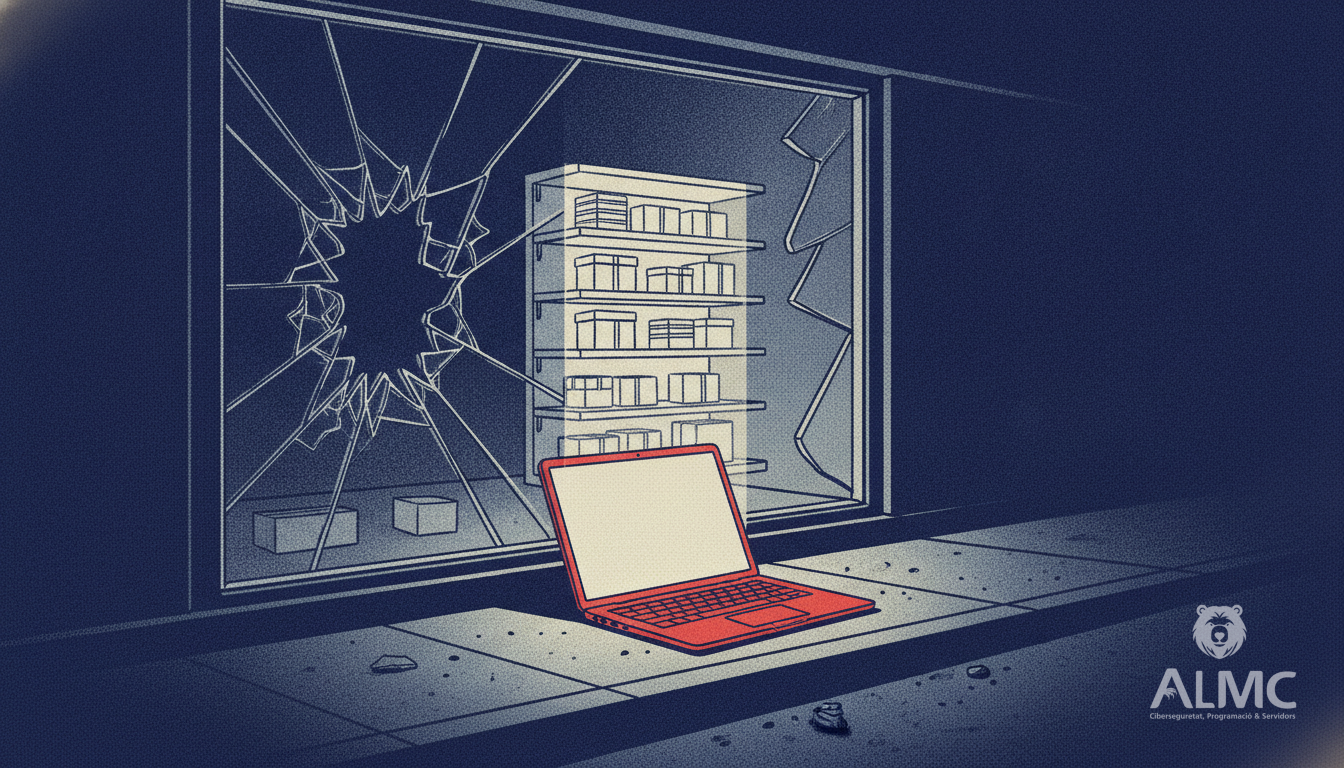
The wider picture from that night was equally sobering. Dozens of shops across the centre of Barcelona were vandalised or looted, with technology, fashion and footwear outlets among the hardest hit. The police reported well over a hundred arrests and hundreds of identifications, and the damage to street furniture alone ran into tens of thousands of euros. For any retailer selling high-value goods, the lesson is not about one bad night in one city. It is about what happens to revenue when the door is physically closed.
The real vulnerability is single-channel dependency
A physical shop concentrates risk. Valuable stock sits behind glass, opening hours are fixed, and a single incident, a flood, a power cut or a road closure can stop trade entirely. Retailers in Lleida, Tarragona, Girona and Barcelona already know that footfall is unpredictable; what the events in Barcelona add is a reminder that the point of sale itself can disappear overnight.
An online store does not replace the high street, but it changes the shape of the risk. If the physical location is unavailable, the catalogue, the stock and the checkout remain reachable. Orders keep arriving, customer relationships stay alive and the team has something to do other than wait for the insurance assessor.
- Continuity: sales can continue while the premises are closed for repairs or cleaning.
- Diversification: revenue is no longer tied to a single street, a single postcode or a single opening schedule.
- Data: you learn which products people want before you restock the shelves.
- Reach: a shop in Lleida can serve customers in Girona, Tarragona or across the EU without a second lease.
Choosing the right engine for a real retail business
The platform decision is where many projects stall. In our experience with Catalan merchants, two options cover most needs well, provided they are built properly rather than assembled from a template and left alone.
PrestaShop remains a strong fit for catalogues with depth: many variants, tiered pricing, B2B customers, multiple languages and warehouses. It is mature, widely supported in Spain and well suited to shops that expect to grow into complexity.
WooCommerce works best when content and commerce belong together. If your brand already publishes guides, lookbooks or technical comparisons, keeping the shop inside the same environment can strengthen both sides of the site.
Either way, the platform is only the starting point. A store that loads slowly, hides shipping costs until the last step or fails on a mobile connection will lose the sale regardless of how elegant the design looks.
Conversion is the work that never finishes
Traffic is expensive; converting it is where margin is made. Practical improvements tend to cluster around a few areas: clear product information, transparent delivery and returns, a checkout that asks for the minimum, and search that understands how customers actually describe what they want. Payment methods matter too, from cards and Bizum to PayPal, and invoices must comply with Spanish electronic invoicing requirements.
Under the GDPR, every form, cookie and newsletter signup needs a lawful basis and an honest explanation. Getting this right is not paperwork for its own sake: trust is a conversion factor, and Spanish shoppers are quick to abandon a checkout that feels careless with their data.
Building a stack that survives the unexpected
Resilience is a technical question as much as a commercial one. That means hosting with real capacity for seasonal peaks, automated backups that are tested rather than assumed, monitoring that alerts you before customers notice, and a maintenance routine that keeps the platform patched. It also means stock visibility: if the shop is closed but the warehouse is intact, the online store should be able to keep selling and shipping.
At ALMC, based in Lleida, we build online stores with PrestaShop and WooCommerce tailored to how each business actually sells, then keep working on conversion, performance and the surrounding stack. The goal is simple: a shop that sells every day, including the days when the shutters cannot open.
Related
- WooCommerce vs PrestaShop: Which Ecommerce Platform Wins in 2025?
- CRO for Ecommerce: Turning WooCommerce and PrestaShop Templates into Sales Engines
- Agentic Commerce: How AI Agents Are Rewriting the Rules of Online Shopping
- Desarrollo web
Put these ideas into practice
Talk to ALMC about a solution for your business. Explore your options or contact our team.