
Limited drops and online stores: selling hype without breaking your shop
Limited drops and online stores: selling hype without breaking your shop
When a shirt sells out in minutes, the shop behind it has to holdFew things test an online store like a limited drop. A club, a musician and a sportsw...
When a shirt sells out in minutes, the shop behind it has to hold
Few things test an online store like a limited drop. A club, a musician and a sportswear label announce a capsule collection, a date is set, and thousands of people hit refresh at the same second. In Catalonia we know the pattern well: Barcelona, Lleida, Tarragona and Girona all have communities that mobilise fast around a launch, and the same dynamic now plays out for local brands releasing a small run of trainers, a seasonal collaboration or a numbered print.
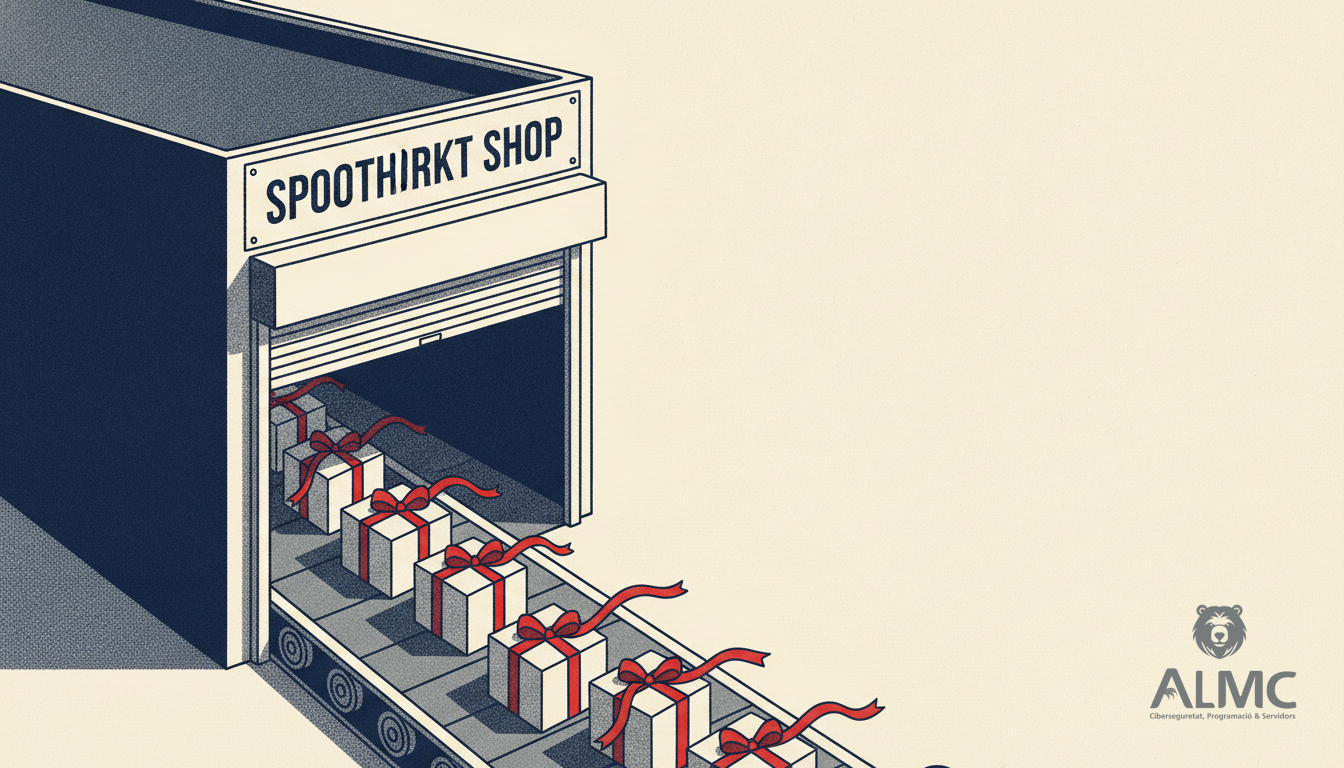
The interesting shift is that collaborations have moved well beyond slapping a logo on a shirt. Artists and labels now take creative control of the whole thing: the campaign, the garments, the accessories, the event around the launch. For the retailer, that means the online store is no longer a catalogue at the end of the process. It is the checkout counter, the queue, the stockroom and the brand experience, all at once.
What a drop really demands from your ecommerce
A launch like this is a stress test disguised as a marketing moment. Before you worry about the campaign creative, the platform has to survive the first ten minutes.
- Traffic spikes that arrive in seconds. A newsletter, a social post and a queue of fans can multiply visits in a way no ordinary Tuesday prepares you for. Caching, a properly sized server and a checkout that does not buckle are not optional.
- Stock accuracy down to the unit. Limited runs mean every item counts. Overselling a numbered piece creates refunds, angry customers and reputational damage that outlasts the drop.
- Fairness under pressure. Queues, purchase limits per customer and clear availability signals protect both the buyer and the brand.
- Payments that keep up. Card, wallet and local methods must all respond at the same speed, with proper 3D Secure handling and no surprise failures at the final step.
- GDPR from the first click. Consent for marketing, cookie management and data retention need to be built in, not bolted on after the launch.
PrestaShop or WooCommerce: pick the base that fits the drop
There is no universal answer, and that is precisely the point. A PrestaShop build tends to suit catalogues with many variants, structured attributes and a need for fine-grained control over stock and pricing rules. WooCommerce, on the other hand, offers flexibility and a vast ecosystem of extensions, which is handy when a launch needs a bespoke reservation flow or an unusual bundle.
What matters is that the platform is tuned for the event, not just installed. That means reviewing the hosting stack, the database, the caching layer and the payment integrations before the countdown starts. A custom online store is not about choosing a logo on a template; it is about knowing which parts of the stack will be under pressure and preparing them in advance.
Conversion is a design decision, not a lucky accident
During a drop, every extra second and every confusing step costs sales. Product pages should answer the essentials immediately: what is available, in which sizes, at what price in euros, when it ships and whether it can be returned. Clear stock messages, a visible countdown, a simple size guide and a checkout that remembers returning customers all reduce friction.
It also pays to think about the moments around the launch. A waiting list or early-access list captures demand before the drop and gives you a GDPR-compliant audience to contact afterwards. A well-built post-purchase flow, with tracking and a clear delivery estimate, turns a stressful purchase into a reason to come back. And when the limited run sells out, the store should still have something to offer: related products, a restock notification or a next drop teaser.
Local lessons for brands in Catalonia
Many businesses in Lleida, Tarragona and Girona sell nationally and internationally from a small team. They cannot afford a launch that goes viral for the wrong reason. The practical answer is to treat the drop as an infrastructure project as much as a marketing one: test the load, rehearse the checkout, define who handles customer service in the first hours and make sure the legal pages, shipping costs and return policy are clear before anyone clicks buy.
Hype fades quickly, but the online store stays. Building it to handle a spike, and to convert ordinary visitors the rest of the year, is what turns a single successful launch into a business that keeps selling.
Related
- WooCommerce vs PrestaShop: Which Ecommerce Platform Wins in 2025?
- CRO for Ecommerce: Turning WooCommerce and PrestaShop Templates into Sales Engines
- Agentic Commerce: How AI Agents Are Rewriting the Rules of Online Shopping
- Desarrollo web
Put these ideas into practice
Talk to ALMC about a solution for your business. Explore your options or contact our team.